Photos abuse asian

Gallery
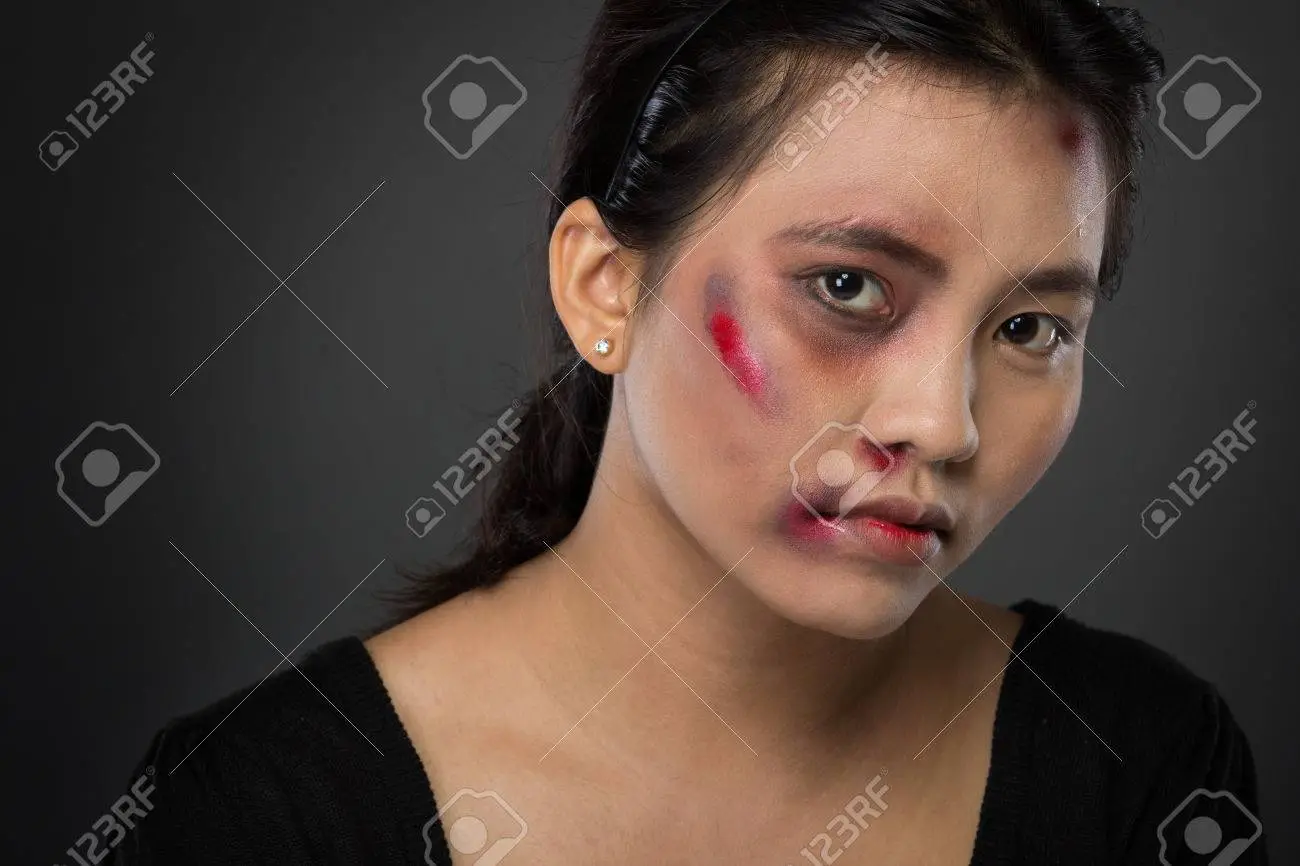





Find Asian abuse stock images in HD and millions of other royalty-free stock photos, illustrations and vectors in the Shutterstock collection. Thousands of new, high-quality pictures added every day.
My doctoral research explored South Asian women’s experiences of abuse in families (Mirza 2015). I found that as well as partner abuse, abuse by the husband’s mother was also a huge issue. However, this is a dimension of South Asian women’s experiences that is overlooked, with much work on domestic abuse focusing on abuse between partners (
During my fieldwork, I spoke with 11 Pakistani Muslim women in Scotland who were subjected to simultaneous physical abuse and threats from both their mother-in-law and spouse. By focusing on the interviewees’ experiences of mother-in-law abuse, this article aims to highlight the intensity and specificity of abuse South Asian women can experience within an extended family structure. To overlook this, state policy and practice run the risk of not only obscuring these experiences, but also jeopardizing women’s safety and wellbeing. I focused on Pakistani women specifically as this is the largest category within the South Asian population in Scotland (
The findings of my doctoral research highlight some crucial questions: do mainstream feminist understandings of abuse still hold true for all women, particularly south Asian women Is there a need for a more nuanced understanding of kinship relationships, structures and powers? South Asian women’s experiences of family abuse, which stems from kinship structures and relationships, are largely not represented in the wider literature on domestic abuse. Domestic abuse is typically understood through a feminist perspective which holds gender inequality as its root cause, demonstrating the manner in which men use control in intimate relationships. This gendered perspective has greatly informed this research, providing an opportunity to highlight the similarities between women’s experiences of abuse based on their gender. It also reveals how practices of gender inequality can be perpetuated by women as well as by men.
Mainstream conceptualizations of domestic abuse deal in stereotyped household structures and relationships, and the extent to which such flawed conceptualizations have influenced policy and practice mean that they run the danger of being wide of the mark of some women’s experiences of abuse. The specificity and differentiation of South Asian women’s experiences of family abuse, which the aforementioned perspective fails to represent, is the role of the mother-in-law in the instigation and perpetration of family abuse against the daughter-in-law. Additionally, due to the nature of this relationship, and the extended family structures and relationships within which women are rooted, the power dynamics are far more complex with abuse by the mother-in-law.
Rew et al. (2013) argue that abuse by the mother-in-law must be explored and understood within Stark’s (2013) ‘coercive control model’. They argue that many of Stark’s (2013) findings and arguments on domestic abuse – that the structural roots of women’s inequality and their vulnerability to abuse needs to be taken into account – hold true regarding women’s violence against other women. Stark’s model was developed to explore ‘women’s entrapment’ by men within an intimate relationship from a feminist perspective of gender inequality. In order for this model to be representative of South Asian women’s experiences of family abuse, it needs to be developed to include family structures and relationships. Without losing sight of the pertinent reality that perpetrators of abuse are predominantly male while the abused are female, state policy and practice must also acquire a deeper understanding of how women can be actively complicit in the violence and oppression of other women.
Asian boy in mask holding letter board says stop child abuse when campaign in the wall background
Asian boy in medical mask raising letter board says stop child abuse campaign
Asian boy in medical mask raising letter board says stop child abuse when campaign
DOWRY abuse, the act of extorting money and gifts from a South Asian bride’s family beyond the customary wedding gifts, is a form of coercive control and can lead to domestic violence, emotional and financial abuse, and even murder.
“Risk factors such as female gender, South Asian background, marital relationship problems, temporary visa status, unexplained illnesses, and mental health presentations should serve as reminders to check for dowry abuse and related signs of family violence.
Related posts:
 Amma sex nude photos
 Akhi hot nudes photos. Horny Bangladeshi girl bath and bold
 Hot big tites long hair aunty sex in sarre photos
 Photos kuma nene
 Opan mame bade marwadi antiy hat sxxi galleri photos
 Bbw nigerian girl porn photos
 Javhd konoha enjoying warm asian blowjob in threesome
 All japanese pass myuu hasegawa nice asian teen is a wild nurse
 All japanese pass maho sawai asian teen in sexy stockings is fucked real hard hq
 Javhd asian anal dildo for ren azumi in wild bondage scene
 Javhd av69 heymilf gangav hairyav asian blowjob in threesome with mayuka akimoto
 Beautiful polish girls boobs photos
 Javhd av69 avtits asian blowjobs during steamy bondage experience
 Javhd avtits avstockings lingerieav hina tokisaka shows she can take an asian huge dildo in her pussy
 Javhd av69 avtits girl in red lingerie amazing asian blow job
 Javhd av69 pussyav amazing asian blowjob by naughty uika hoshikawa
 Javhd av69 ferame avtits avstockings lingerieav hikaru kirameki enjoying hot asian blow job porn
 All japanese pass chiharu misaki hot asian babe gets pussy licked and gives a blowjob
 Javhd av69 avstockings yui shimazaki severe sex and creampie asian
 Javhd av69 gangav hairyav povav amateurav group sex with four chicks in creampie asian porn